Biryani is an evergreen classic that really needs no introduction. India offers so much on its culinary platter but the one dish Indians unanimously love indulging in is the mouth-watering biryani. With local and hyperlocal variations having evolved into distinctive styles of biryanis, one is spoilt for options when it comes to experiencing this melting pot of flavors.
So if you are a die-hard fan of this delicious dish, take things up a notch and tease your taste buds a little more with the story of what makes biryani so extraordinary.
Though it may appear to be a dish indigenous to India, in reality the dish originated quite far away. Biryani is derived from the Persian word Birian, which means ‘fried before cooking’ and Birinj, the Persian word for rice. While there are multiple theories about how biryani made its way to India, it is generally accepted that it originated in West Asia.
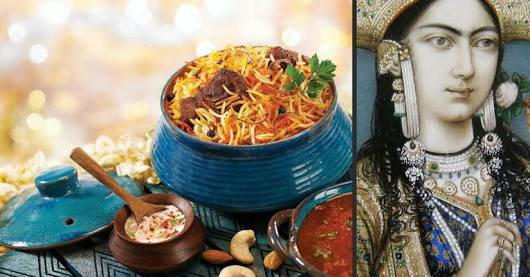
However, the most popular story traces the origins of the dish to Mumtaz Mahal, Shah Jahan’s beautiful queen who inspired the Taj Mahal.
It is said that Mumtaz once visited the army barracks and found the Mughal soldiers looking weak and undernourished. She asked the chef to prepare a special dish that combined meat and rice to provide balanced nutrition to the soldiers – and the result was biryani of course! At the time, rice was fried in ghee, without washing, to give it a nutty flavour and prevent it from clumping. Meat, aromatic spices, and saffron were added to it before cooking the mix over a wood fire.
The Nizams of Hyderabad and Nawabs of Lucknow were also famous for their appreciation of the subtle nuances of biryani. Their chefs were renowned the world over for their signature dishes. These rulers too were responsible for popularizing their versions of the biryani – and mouth watering accompaniments like mirchi ka salan, dhanshak and baghare baingan – in different parts of the country.
 DilSeFoodiee